
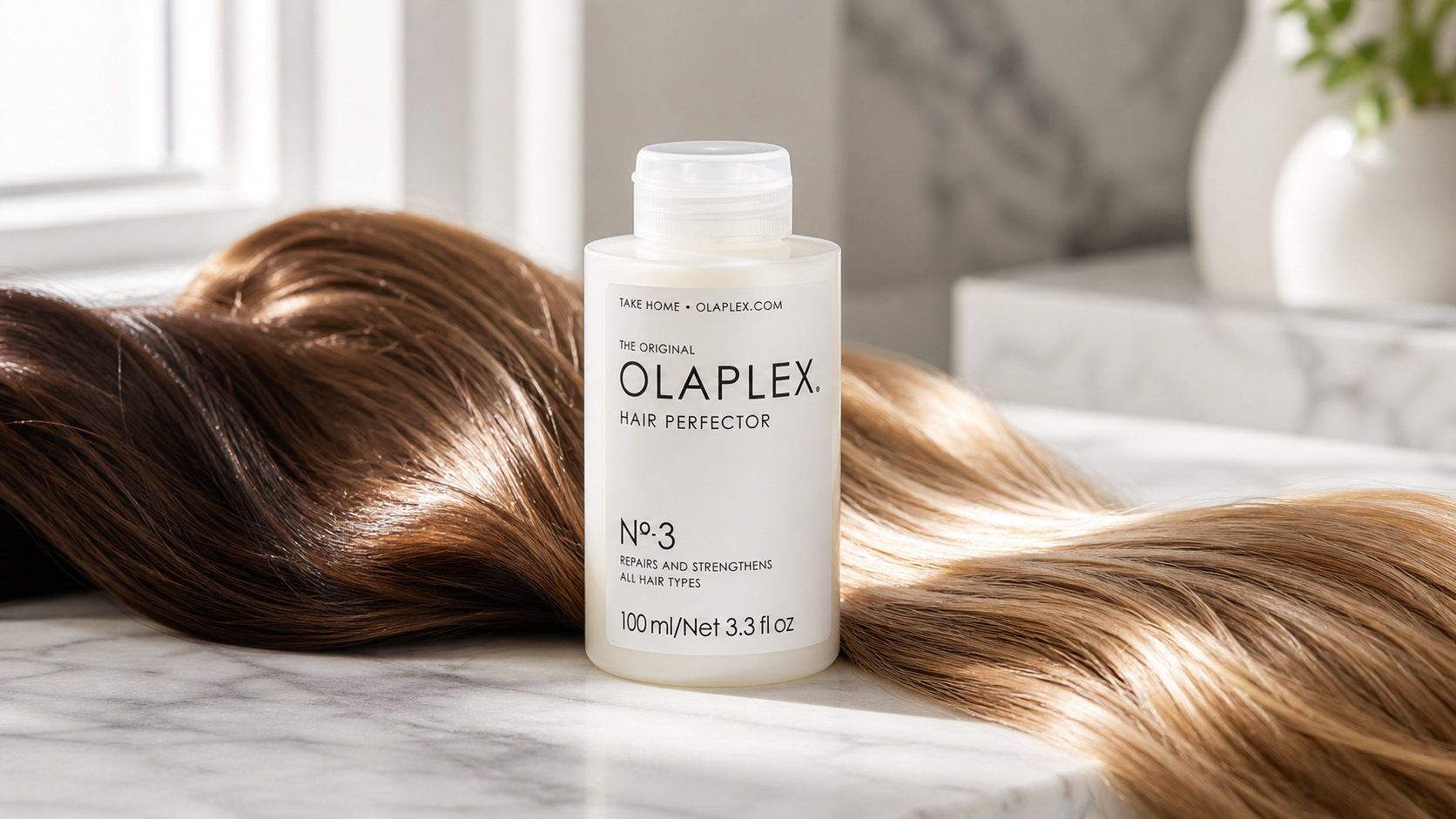
Discover how Olaplex No. 3 Hair Perfector repairs damaged, bleached, and heat-styled hair with patented bond-building technology. Learn application tips, results, and why it’s Australia’s best-selling at-home hair treatment.
Your hair’s strength comes from disulfide bonds—chemical links that hold the protein structure together. When you bleach, colour-treat, or regularly heat-style your hair, these bonds break. The result? Weakened strands that snap, frizz, and lose their natural shine. This isn’t superficial damage that a conditioner can mask with silicones. The structural integrity of your hair has been compromised at the molecular level.
Olaplex No. 3 works where traditional conditioners stop. Its patented bond-building technology actively reconnects these fractured disulfide bonds, restoring the internal architecture of each strand. Think of it like repairing the foundation of a building rather than just repainting the walls. When broken bonds are reconnected, your hair regains tensile strength, elasticity, and resilience from the inside out.
Traditional conditioners operate on the hair’s surface. They coat your strands with oils, proteins, and silicones that create temporary smoothness and shine. Once you wash your hair, that coating rinses away. Olaplex No. 3 takes a different approach—it penetrates deep into the cortex of your hair and makes structural repairs that persist even after shampooing. This molecular-level intervention is why the results last longer and why people notice cumulative improvements with consistent use.
The science behind this distinction matters because it explains why Olaplex No. 3 delivers genuinely different outcomes than supermarket treatments. You’re not just conditioning; you’re actively healing your hair’s damaged structure.
Understanding Disulfide Bonds and Chemical Damage
Every strand of hair contains three types of bonds: hydrogen bonds (easily broken by water), ionic bonds (affected by pH changes), and disulfide bonds (the strongest structural element). Chemical processing, heat exposure, and UV damage target these disulfide bonds specifically. Once they’re broken, your hair becomes porous, brittle, and prone to breakage.
The visible effects of broken disulfide bonds include split ends, frizz, dullness, and reduced elasticity. Your hair might feel straw-like or refuse to hold a style. These aren’t just cosmetic problems—they’re signs that your hair’s structural integrity has deteriorated. This is where molecular-level repair becomes essential.
Who Should Use Olaplex No. 3 (And When It’s Worth the Investment)
Olaplex No. 3 is engineered for people whose hair has undergone chemical or thermal stress. If you’ve had your hair bleached, colour-treated, permed, relaxed, or regularly flat-ironed and blow-dried, this treatment is designed for you. The investment makes the most sense when your hair shows visible signs of damage: breakage, frizz, dryness, or loss of shine that regular conditioning doesn’t address.
People with bleached or heavily colour-treated hair see the most dramatic transformations. Bleaching, in particular, causes severe disulfide bond breakage. Users report noticing smoother, stronger hair within the first few applications. Those who colour their hair monthly or use heat styling tools daily also benefit significantly. The treatment works as a preventative and restorative tool—it can slow further damage while repairing existing harm.
Olaplex No. 3 suits most hair types, though results vary. Fine hair benefits from the strengthening effects without feeling weighed down. Thick and coily hair appreciates the frizz control and enhanced definition. Straight hair gains smoothness and shine. What matters most isn’t your hair type but your hair’s condition. If your strands feel fragile, dry, or damaged, this treatment is worth exploring.
The mid-range premium pricing (typically AUD $45 to $60) positions it above supermarket treatments but below salon-exclusive services. For people serious about reversing damage, this price point becomes reasonable when compared to regular salon treatments or the cost of cutting off severely damaged hair. The question isn’t whether you can afford it—it’s whether you can afford not to use it if your hair is genuinely compromised.
Best Candidates for Maximum Impact
The ideal user has bleached, colour-treated, or chemically processed hair and is willing to commit to a weekly treatment routine. People with heat-damaged hair from daily styling also see excellent results. Those struggling with frizz, breakage, or dryness will notice the biggest improvements.
If your hair feels like straw, snaps when you brush it, or refuses to look shiny even after conditioning, you’re a prime candidate. People who’ve invested in maintaining their hair colour or who regularly use professional styling tools get the most value because they’re actively managing significant damage.
Discover how Olaplex No. 3 can transform your damaged hair today.
Step-by-Step Application Guide for Maximum Results
Getting the most from Olaplex No. 3 requires following a specific process. Start with dry hair—don’t wet it first. Section your hair into four to six manageable quadrants using clips. This prevents you from accidentally missing spots and ensures even distribution.
Apply the treatment section by section, starting at the roots and working toward the ends. Use enough product to coat each section thoroughly, but avoid over-saturating. The goal is even coverage, not dripping excess. Once you’ve applied the treatment to your entire head, comb through gently to distribute it further and ensure it contacts all your hair.
The recommended processing time is 10 minutes minimum, though many users leave it on for 15 to 20 minutes for enhanced results. There’s no maximum time limit—longer contact time generally means better repair, especially if your hair is severely damaged. After processing, rinse thoroughly with lukewarm water until the water runs clear. Follow with your regular shampoo and conditioner.
Optimal Frequency and Consistency
Use Olaplex No. 3 once or twice weekly for best outcomes. Most people start with weekly applications, then adjust based on their hair’s response. Those with severely damaged hair often benefit from twice-weekly use initially, then reduce frequency as their hair improves.
Consistency matters more than intensity. Using the treatment sporadically produces minimal results. Weekly applications over 4 to 6 weeks show marked improvements in strength, smoothness, and frizz control. Once your hair reaches your desired condition, you can reduce frequency to maintenance mode—typically once every two weeks or monthly.
Pre-Application Preparation
Before applying Olaplex No. 3, ensure your hair is completely dry or slightly damp. Soaking wet hair dilutes the product and reduces its efficacy. If you’ve just showered, dry your hair partially or fully before treatment. Also ensure your scalp is free from product buildup. If you’ve used heavy styling products or dry shampoo, a gentle pre-rinse helps the treatment work more effectively.
Realistic Results: What to Expect and Timeline
Results from Olaplex No. 3 appear gradually but noticeably. After your first or second application, you’ll likely notice immediate softness and smoothness. This is the treatment coating your hair, creating that salon-fresh feel. However, real repair—the kind that sticks around—develops over time.
By applications three through five, tangible improvements in hair strength and manageability emerge. Your hair might feel less prone to breakage when you brush or style it. Frizz begins reducing, especially if you’ve been dealing with significant damage. These changes reflect genuine molecular repair, not just surface conditioning.
The 4-6 Week Transformation
After four to six weeks of consistent weekly use, the transformation becomes undeniable. Breakage noticeably decreases. Your hair holds styles better and maintains shine longer between washes. Texture improves—strands feel smoother and more resilient. People with bleached hair often report that their hair looks healthier, with better colour vibrancy and reduced brassiness (since damaged, porous hair absorbs unwanted tones more readily).
The timeline accelerates if you combine Olaplex No. 3 with complementary care: minimize heat styling, avoid chlorine, use a silk pillowcase, and limit additional chemical treatments. These practices extend the benefits of each application and speed overall improvement.
Long-Term Benefits and Maintenance
Sustained use produces compounding benefits. Your hair continues strengthening and becoming more resilient. Split ends become less frequent. Frizz remains controlled even on humid days. The shine and softness you notice after the first few applications deepens and becomes your hair’s new normal.
The key is maintaining consistency. If you stop using the treatment, your hair won’t immediately revert to its previous condition—molecular repair is permanent for the hair you’ve already treated. However, new growth and ongoing styling damage will occur, so regular applications keep your entire head in optimal condition.
Start your hair repair journey with Olaplex No. 3 Hair Perfector now.
The Bottom Line: Why Olaplex No. 3 Has Earned Its Best-Seller Status
Olaplex No. 3 Hair Perfector stands apart because it delivers genuine molecular repair, not temporary cosmetic enhancement. When your hair has been bleached, colour-treated, or heat-damaged, this treatment actively reconnects broken disulfide bonds and restores internal structure. That’s science-backed efficacy that superficial conditioners simply cannot replicate.
The investment is justified for anyone serious about reversing damage. The mid-range premium pricing reflects the product’s advanced technology and consistent results. You’ll see real improvements—reduced breakage, enhanced smoothness, frizz control, and restored shine—within weeks of regular use. What you’re paying for isn’t luxury branding; you’re paying for a treatment that actually repairs your hair at a molecular level.
The trade-off is straightforward: you must commit to weekly applications and maintain consistency to preserve results. This requires planning and discipline, but the payoff is salon-quality outcomes achieved at home. No expensive weekly appointments. No damage to your hair from additional professional treatments. Just a simple weekly routine that genuinely improves your hair’s health and appearance.
If your hair shows signs of chemical or thermal damage, if you’re tired of frizz and breakage, or if you want to protect your investment in colour or professional styling, Olaplex No. 3 makes sense. It’s become a best-seller because it works—consistently, visibly, and durably. Your hair deserves molecular-level repair, not just surface-level conditioning.
Transform your damaged hair with Olaplex No. 3—get started today.