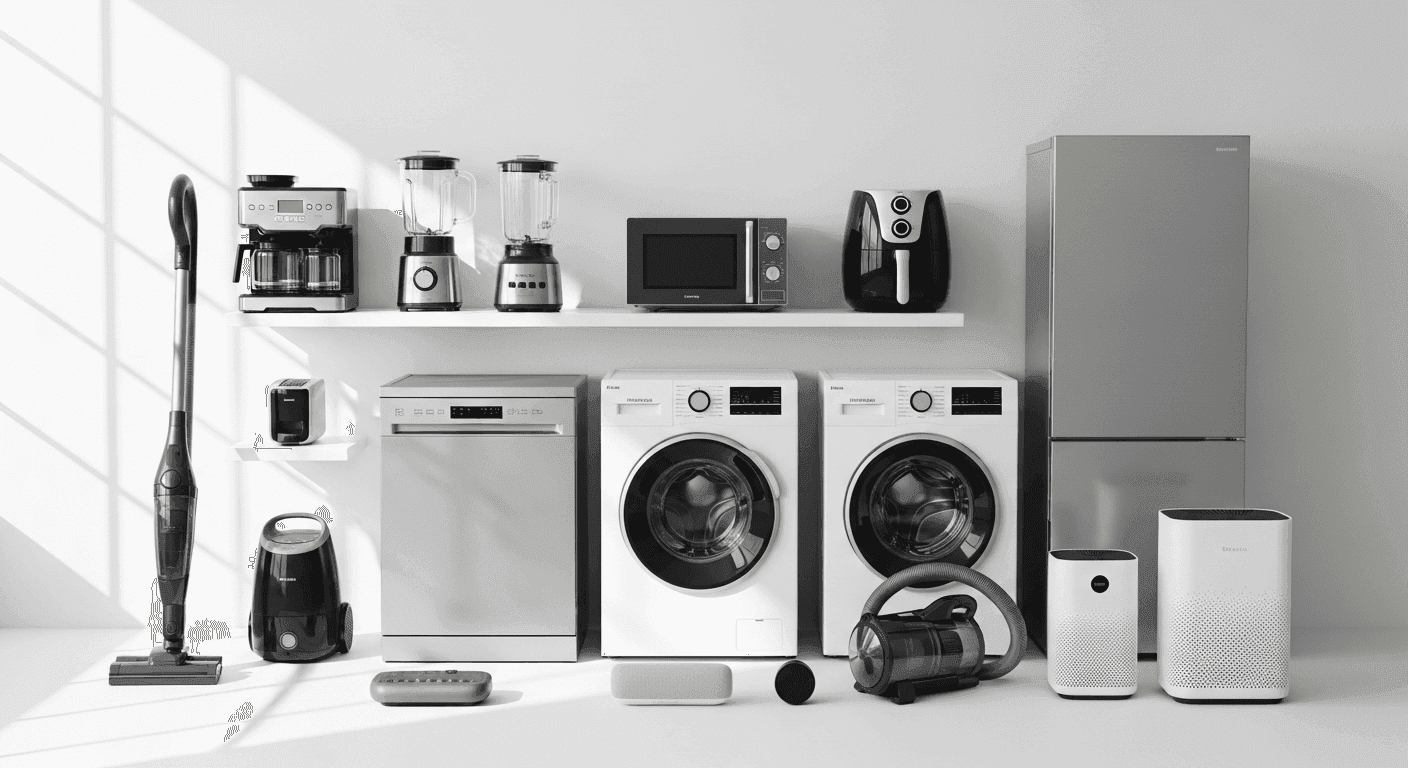
You're standing in your kitchen at 7 AM, realizing you need to vacuum, brew coffee, make smoothies for the kids, prep dinner in an Instant Pot, and somehow do it all before work. Sound familiar? The truth is, the right appliances don't just save time—they give you your sanity back. A mediocre vacuum leaves dust bunnies mocking you from under the couch. A great one? You forget it's even there because it works so reliably.
What separates the appliances worth your money from the ones gathering dust in a closet is simple: performance that actually matches the price tag, reliability that survives years of daily use, and thoughtful design that makes your life easier instead of complicating it. The best appliances fade into the background of your routine because they work so well you stop thinking about them. They're investments that earn their keep through consistency and durability.
Here are the nine home appliances actually worth your attention in 2026.
1. Dyson V15 Detect Cordless Vacuum
This isn't a vacuum that happens to be cordless—it's a cordless vacuum that outperforms most plug-in models. The V15 Detect delivers genuinely impressive suction with a runtime that stretches to 60 minutes in eco mode, meaning you can actually clean your entire home without the battery dying mid-staircase. That laser-equipped fluffy roller head is the kind of detail that sounds gimmicky until you see it illuminate a layer of dust you swear you cleaned yesterday. The piezo sensor that counts and sizes particles, then automatically adjusts suction? It's not just showing off—it actually prevents you from blasting delicate rugs while simultaneously ensuring deep cleaning on heavy carpet.
The filtration system captures 99.99% of microscopic particles, which matters if anyone in your household sneezes at the mention of dust or pollen. The LCD screen keeps you informed without being annoying about it. Trade-offs are real though: the price hovers around $600–$800, which stings. The dustbin is smaller than corded uprights, so you'll empty it more frequently. And yes, it's bagless, which means more direct contact with dust when you're dumping it out.
Best for: Allergy sufferers with the budget to invest in a vacuum that actually performs like the marketing claims.
2. Breville Barista Express Impress Espresso Machine
Home espresso usually means either terrible burnt shots or an overwhelming learning curve that defeats the purpose of convenience. The Barista Express Impress splits the difference by removing the guesswork without removing the hands-on experience. That Impress Puck System—the assisted tamping that applies consistent 22 lbs of pressure—sounds like it's holding your hand, but it's actually genius. It corrects dosing automatically based on feedback, which means your second shot is better than your first, and your third is even more dialed in. For espresso beginners, this is the difference between one terrible cup and actually enjoying your morning.
The integrated grinder with 25 precision settings means you're grinding fresh beans every time, and the 3-second heat-up time is legitimately fast for a machine at this price point. The PID temperature control keeps water temperature stable, which translates directly to better-tasting espresso. The steam wand produces genuine microfoam for latte art. The 54mm portafilter is smaller than commercial standards—some purists hate this, but it's intentional design for consistency at home. The water tank on the smaller side too, so frequent users will refill often. Expect a learning curve if you want to customize beyond the guided approach.
Best for: Coffee enthusiasts who want barista-quality espresso without the barista-level skill requirement.
3. KitchenAid Artisan Series 5-Quart Tilt-Head Stand Mixer
This mixer has been around forever because it actually works, and people keep theirs for decades. The durable all-metal construction isn't nostalgia—it's a practical choice that justifies the $350–$450 price because you're genuinely buying a kitchen appliance that'll outlive several cheaper alternatives. The tilt-head design means easy access to the bowl and attachments, which sounds minor until you're mixing cookie dough and realize you can actually add ingredients without stopping everything and removing the head.
The 5-quart stainless steel bowl handles everything from delicate meringues to dense pizza dough without complaint. The planetary mixing action means genuine thorough incorporation—no unmixed pockets hiding at the bottom. Ten speeds give you flexibility, and the included flat beater, wire whip, and dough hook cover most everyday baking. The power hub accepts optional attachments (pasta makers, meat grinders, etc.), so it genuinely can replace multiple appliances. The trade-off is weight and counter space—this thing is substantial. Some users find it less powerful than bowl-lift models for very heavy bread dough batches. Attachments get expensive if you start collecting them.
Best for: Home bakers who actually bake regularly and want equipment that won't disappoint after three years.
4. Vitamix Explorian E310 Blender
There's blending, and then there's Vitamix blending—the kind where frozen fruit becomes silk instead of chunks, where nut butter gets creamy instead of grainy. The E310 delivers that performance with a powerful motor and precision-engineered hardened stainless-steel blades that handle everything from leafy greens to ice without flinching. The 10 variable speeds let you control texture with genuine precision, and the pulse setting works for chopping without pulverizing everything.
The 48-ounce container is smart-sized—big enough for family-sized smoothies but compact enough to fit under most kitchen cabinets, so you're not staring at a blender the size of a robot. The self-cleaning function (literally soap and water, then blend) saves enormous time. The included tamper helps process thick, frozen mixtures without strain. Durability is legitimately good; these things last for a decade of regular use. The downsides: at $300–$350, it's expensive compared to budget blenders, and it's loud at higher speeds—genuinely loud. The 48-ounce capacity isn't ideal if you're batch-cooking for crowds.
Best for: Smoothie devotees and people making soups, nut butters, or anything requiring genuinely silky textures.
5. Roborock Saros 10R Robot Vacuum
Robot vacuums used to feel gimmicky—cute but ineffective. The Saros 10R actually cleans well enough that you stop noticing the mess. The advanced obstacle recognition means it genuinely avoids cables and pet toys without requiring you to pre-clean before each run. The mopping function doesn't just spread water around—it actually lifts dried stains, which is a meaningful difference from budget robot vacuums that smear dried food into a wider area.
The LiDAR navigation maps your home with precision, ensuring thorough coverage and efficient routes. The auto-empty dock paired with mop-washing capabilities means weeks of essentially hands-free operation—you're not emptying and cleaning after every run. The app customization is genuinely useful, not just flashy: no-go zones, scheduled cleaning, adjustable suction and water levels. It handles floor transitions up to 2.36 inches, so multi-surface homes don't face constant frustration. The price—$1000–$1500+—is steep. Periodic dock maintenance is still required. And like all robot vacuums, it has limitations with very thick rugs or deep cleaning in corners. But for autonomous, consistent floor maintenance, this is the real deal.
Best for: People willing to invest significantly for the convenience of essentially forgetting about floor cleaning.
6. Instant Pot Duo Crisp Ultimate Lid
Saying it's a "13-in-1" feels like marketing nonsense until you actually use it and realize it's replacing the pressure cooker, air fryer, slow cooker, steamer, dehydrator, and saute pan you had scattered around your kitchen. The Ultimate Lid design seamlessly switches between pressure cooking and air frying—not two separate machines, one lid that transforms. Pressure cooking cuts cooking time by up to 70%, which means a stew that takes three hours becomes dinner in 45 minutes. The air frying function delivers actual crispy results for fries, chicken wings, vegetables.
The 6.5-quart capacity handles family meals or batch prep. Wi-Fi smart app control with recipe guidance adds genuine convenience—monitoring and controlling cooking remotely actually works. The integrated safety systems mean you're not stressed during operation. The learning curve for new users is real; juggling 13 functions takes time to fully understand. It's large and heavy, which matters if your kitchen is cramped. The air frying capacity is smaller than dedicated air fryers. But for $150–$300, the versatility actually justifies the price if you use multiple functions regularly.
Best for: Busy households that meal prep or cook frequently and want to eliminate gadget clutter.
7. Keurig K-Elite Single Serve Coffee Maker
Single-serve coffee makers have the reputation of making mediocre coffee quickly, but the K-Elite actually produces decent cups with genuine customization options. The "Strong Brew" button delivers noticeably bolder coffee without bitterness. The "Iced" button brews hot coffee directly over ice, producing full-flavored iced coffee instead of diluted sadness. Five brew sizes (4, 6, 8, 10, 12 oz) mean flexibility for different cup sizes and preferences. The 75-ounce removable water reservoir is substantial—households with multiple coffee drinkers won't constantly refill.
The programmable auto-on and temperature control add convenience. Hot water on demand expands utility to teas, instant soups, oatmeal. The Quiet Brew Technology actually matters if you're making coffee before 6 AM. The sleek brushed finish looks polished on most counters. The reliance on K-Cup pods is the main frustration—more expensive per cup than ground coffee and worse for the environment. No built-in milk frother limits latte potential. Some machines report lukewarm temperatures occasionally. Bulkier than some compact makers.
Best for: Coffee drinkers who prioritize speed and convenience over exploring espresso or complex brewing techniques.
8. Ninja Foodi DualZone Smart XL Air Fryer (DZ550)
The innovation here is genuinely useful: two independent baskets, each with separate temperature and time controls, finishing simultaneously through the Smart Finish feature. This means you can air fry salmon at 375°F while simultaneously air broiling vegetables at 400°F, and they're both ready when you plate. That's not marketing—that's solving a real problem with meal prep inefficiency.
The 10-quart total capacity spread across two baskets handles large family meals or entertaining without staggering cooking times. Beyond air frying, you've got air broil, roast, bake, reheat, dehydrate—genuinely useful functions, not gimmicks. The digital display is intuitive. The non-stick, dishwasher-safe baskets make cleanup straightforward. The performance delivers consistently crispy results. Trade-offs: it's bulky—significant counter space required. Costs more than basic single-basket air fryers ($200–$300), which is still reasonable but worth considering. Some users need time adjusting to dual controls versus simpler single-basket models.
Best for: Families or people who entertain regularly and want to cook complete meals simultaneously without compromises.
9. Ninja Foodi Smart XL 6-in-1 Indoor Grill with Air Fryer
Year-round grilling without smoke or weather dependency sounds appealing, and the Foodi actually delivers. The Cyclonic Grilling Technology—500°F hot air circulating for "Surround Searing"—produces genuine char-grilled marks and flavors indoors. The Smart Cook System with digital cooking probe eliminates guesswork; it automatically shuts off when your steak hits your target temperature, preventing overcooking. You're getting better results than you'd manage manually.
The 6-in-1 functionality (grill, air crisp, roast, bake, dehydrate, broil) means genuine versatility. The XL capacity fits 6 steaks or 24 hot dogs simultaneously. Air frying with up to 75% less fat opens healthier cooking options. The ceramic-coated nonstick components are genuinely dishwasher-safe, making cleanup rational instead of dreaded. The smoke control system means you're not setting off your smoke alarm. Trade-offs: it's bulky—counter space is a real consideration. It generates substantial heat during operation. Purist grillers might argue indoor grilling doesn't fully replicate charcoal flavors (they're not wrong, but they're also not the target audience).
Best for: Apartment dwellers and people wanting year-round grilled meals without weather dependency or outdoor space constraints.
How to Choose the Right Best Home Appliances 2026
Assess Your Actual Needs, Not Aspirational Ones
Be honest about your habits. You don't need a high-end espresso machine if you drink coffee twice a week. You don't need a dual-zone air fryer if you live alone and eat simple meals. The most expensive appliance collecting dust in your closet is the one that didn't match your real life. Conversely, investing in quality for something you use daily—like a vacuum if you have carpet and kids, or a blender if you make smoothies every morning—actually pays dividends. Start by identifying which appliances you'd genuinely use consistently versus which ones appeal to an idealized version of yourself.
Factor in Counter Space and Storage Ruthlessly
Appliances take up real estate. A Ninja Foodi is versatile, but it's also large—if your counter is already cramped, you're looking at perpetual shuffling. Measure your space. Assess whether you have cabinet storage for something you'd need to move daily. A stand mixer is heavy and stays put, so its footprint is permanent. A cordless vacuum needs charging space. Compact designs matter less if you use something constantly, but they matter enormously if you use it occasionally and need to store it.
Evaluate the Cost Per Use Over Time
A $600 vacuum sounds expensive until you calculate it over five years of use. That's $2.80 per week for cleaning your entire home. Amortize your purchase over realistic lifespan and usage frequency. A $350 stand mixer used twice a week for baking justifies itself over years. A $1500 robot vacuum pays for itself through freed time, especially if it's replacing your weekly vacuum sessions. Cheap appliances that fail after two years cost more per use than expensive ones lasting a decade.
Research Reliability and Service Support
Read actual user reviews focused on long-term reliability, not just initial performance. Some brands have excellent repair networks; others make you fight for warranty claims. Check whether replacement parts are available and reasonably priced. A blender that's impossible to find replacement pitcher liners is more frustrating than one with widely available parts. Some manufacturers have genuinely good customer service; others treat problems like minor inconveniences. This matters enormously for $400+ purchases.
Making Your Kitchen and Home Work Harder for You
If you're buying one vacuum, the Dyson V15 Detect is worth the investment—it outperforms cheaper alternatives enough that you'll notice the difference every time you use it, and it'll last long enough to justify the cost. If coffee matters to you, the Breville Barista Express Impress bridges the gap between convenience and actual good espresso without requiring barista certification. For families cooking regularly, the Instant Pot Duo Crisp Ultimate Lid genuinely earns its space by replacing multiple gadgets.
The real strategy isn't buying everything—it's identifying which appliances will genuinely integrate into your actual routine versus which ones appeal to aspirational cooking habits. The best appliance is the one you use consistently, and the worst one is the expensive alternative to something you already owned that worked fine. Start with honest assessment of your habits, measure your space, and invest in quality where you'll use it daily. Your morning coffee ritual will thank you.