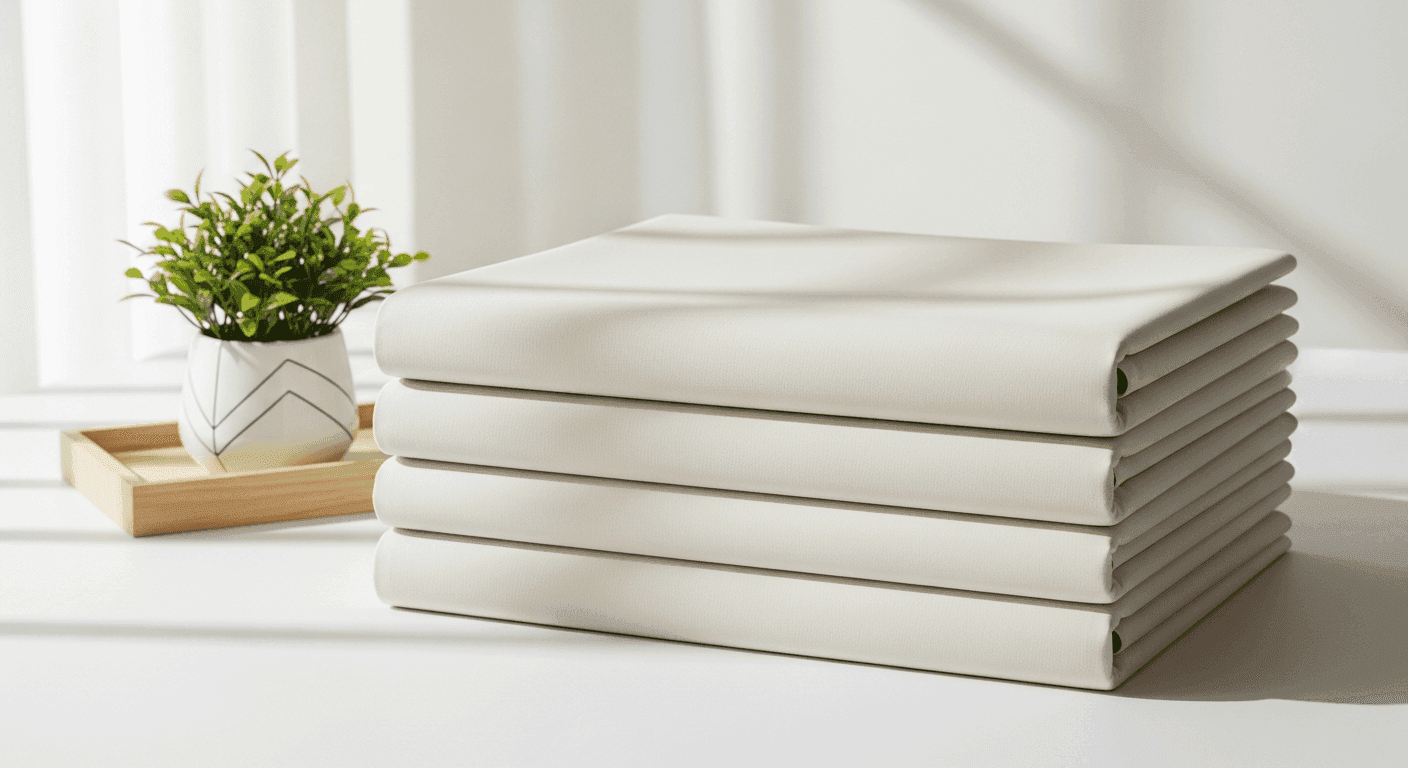
Nearly 40% of people wake up drenched in sweat or kick off their covers multiple times throughout the night. If you're part of this group, finding bedding that keeps you cool while maintaining softness and durability feels nearly impossible. The struggle is real—breathable fabrics often feel thin and cheap, while genuinely soft sheets tend to trap heat like a furnace.
Canningvale's Vintage Softwash Cotton Sheets were engineered with precisely this problem in mind. With over 2,050 five-star reviews and a 4.9-star rating, they've earned their reputation among customers who demand both temperature control and long-lasting comfort. Their construction features 100% cotton percale with a lightweight 225 thread count specifically suited for warmer climates—a combination that matters far more than most people realize.
Discover why Canningvale Vintage Softwash Cotton Sheets are rated 4.9 stars by over 2,050 customers.
Why Percale Weave is a Game-Changer for Warm-Weather Sleepers
The Structural Difference That Changes Everything
Percale and sateen represent two fundamentally different approaches to cotton weaving. Sateen uses a loose, floated weave that creates a smooth, silky surface—beautiful but heat-trapping. Percale, by contrast, employs a tight one-over-one-under pattern that creates a completely different fabric personality. This tight construction forms the foundation of why percale sheets perform so differently in warm conditions.
How the Weave Creates Breathability
The crisp feel of percale comes directly from its tight weave structure. Air flows through the fabric more readily because the construction creates small gaps in the weave that allow moisture and heat to escape. When you lie on percale sheets, you're not resting on a solid barrier—you're on a fabric that actively facilitates air circulation. This is why percale sheets feel cool to the touch immediately upon contact, unlike denser weaves that require time to adapt to body temperature.
Why 225 Thread Count Is the Sweet Spot
Thread count often misleads consumers into thinking higher always means better. For cooling sheets, this assumption falls apart. A 225 thread count represents the ideal balance—enough threads to create a sturdy, durable fabric without adding so much density that heat becomes trapped. Higher thread counts (400+) compress the weave tighter, reducing breathability. Lower thread counts feel flimsy and wear out faster. At 225 threads per square inch, Canningvale sheets maintain structural integrity while maximizing heat dissipation.
Cooling Performance Compared to Heavier Alternatives
When you compare percale at 225 threads to sateen sheets at 300+ threads, the temperature difference becomes measurable. Sateen sheets typically register 2-3 degrees warmer on thermal imaging because the floated fibers create a denser surface. Percale sheets, even when made from identical cotton, sleep noticeably cooler. This isn't subjective—it's a direct result of weave architecture.
Air Circulation and Heat Buildup Prevention
Heat builds up in bedding when moisture gets trapped against your skin. Percale's open weave allows sweat to wick away from your body and evaporate into the air rather than pooling on the fabric surface. This continuous air circulation through the weave prevents the stuffy, clammy sensation that plagues hot sleepers on traditional sheets. The fabric essentially breathes, creating a microclimate around your body that stays cooler throughout the night.
Why Percale Feels Cooler Immediately
The first moment you touch percale, it feels crisp and cool. This isn't a psychological effect—it's physics. The tight weave conducts heat away from your hand more efficiently than loose, puffy fabrics. When you first slip into percale sheets, that initial coolness signals to your nervous system that the environment is sleep-friendly, which can actually help you fall asleep faster.
The Moisture-Wicking Connection
Moisture-wicking capability ties directly to weave type. Percale's structure allows sweat to move through the fabric quickly rather than spreading across the surface. This property becomes crucial during humid nights when your body produces more perspiration. The fabric pulls moisture away from your skin, allowing it to evaporate rather than creating that uncomfortable damp feeling.
The Softwash Technology That Improves With Every Wash
Understanding Softwash in Textile Manufacturing
"Softwash" refers to a specific finishing process applied during manufacturing. Rather than using chemical softeners that coat the fiber and eventually wash away, softwash treatment uses mechanical processes and gentle chemicals that actually encourage cotton fibers to relax and loosen. This creates a foundation for natural softening rather than temporary chemical softness.
Progressive Softening Through Repeated Washing
Most people notice sheets feel slightly stiff when brand new. Canningvale sheets begin this way too, but something remarkable happens with each wash cycle. The mechanical action of washing, combined with the softwash treatment already applied, causes individual cotton fibers to gradually loosen and relax. By wash five, most users report noticeable improvement. By wash ten and beyond, the transformation becomes dramatic.
The Science of Fiber Relaxation Over Time
Cotton fibers have a natural tendency to relax once manufacturing tension is released. Each wash cycle involves agitation that encourages this natural process. The softwash treatment accelerates this by pre-loosening the fibers, creating a feedback loop where each wash makes subsequent washes even more effective. This is why these sheets genuinely improve with age—it's not marketing hyperbole, it's textile science.
Customer Testimonials: Wash 1 to Wash 10+
Verified purchasers consistently mention the transformation across multiple reviews. One customer noted sheets felt "a bit crispy at first but absolutely luxurious after a few weeks." Another described them as "getting better every time I wash them." These aren't isolated comments—they appear repeatedly across the 2,050+ reviews, suggesting this is a genuine, predictable experience rather than chance variation.
How This Improves Long-Term Value
The progressive softening means you're not paying for soft sheets—you're paying for sheets that become softer over years of use. This fundamentally changes the cost-per-wear equation. While initial quality matters, sheets that maintain or improve their comfort over five years of use represent exceptional value. You're essentially getting a better product the longer you own it.
Proper Care That Extends the Softening Process
Using gentle detergent, avoiding fabric softeners (which interfere with natural relaxation), and washing in warm water without excessive heat maximizes the softening process. Cold water slows fiber relaxation, while hot water can damage fibers. The sweet spot is warm water with minimal detergent—enough to clean without introducing chemicals that coat the fibers and prevent further natural relaxation.
Comparing Initial Feel to Long-Term Transformation
Week one sheets feel crisp, almost textured. Week four brings noticeable softness. Month three reveals sheets that feel completely different from their original state—silkier, more fluid, genuinely luxurious. This progression is what separates these sheets from products that start soft and gradually deteriorate. You're watching quality improve rather than decline.
Climate Suitability: Are These Sheets Right for Your Region?
Ideal Climates and Seasons
Percale sheets excel in warm climates and hot seasons. If you live somewhere that regularly exceeds 25°C (77°F) at night, these sheets become genuinely valuable. Summer months in temperate regions also benefit dramatically from percale's cooling properties. They're designed for environments where heat management matters more than insulation.
Performance in Humid Versus Dry Heat
Humidity changes how these sheets perform. In humid climates (tropical regions, monsoon seasons), percale's moisture-wicking becomes essential—it pulls sweat away from your body and allows it to evaporate despite atmospheric moisture. In dry heat, the lightweight construction prevents overheating while allowing your body's natural cooling mechanisms to function unobstructed. Both scenarios favor percale, though the psychological benefit differs slightly.
Tropical Environment Performance
In genuinely tropical settings, percale sheets outperform heavier alternatives significantly. The 225 thread count sits in the optimal range for tropical humidity—dense enough to feel substantial, light enough to release heat and moisture. Customers in tropical Australian regions consistently praise these sheets for maintaining comfort through humid nights.
Year-Round Use in Moderate Climates
In temperate zones with distinct seasons, these sheets work beautifully spring through fall. Winter use becomes trickier unless you layer with blankets. The lightweight nature that makes them perfect for warm months becomes a drawback during cold seasons. Consider these as three-season sheets if you live somewhere with genuine winters.
Temperature Ranges Where These Sheets Excel
These sheets perform optimally between 18-28°C (65-82°F). Below 18°C, you'll want additional layers. Above 28°C, they're genuinely valuable. This range covers summer for most Australian regions and warm-weather climates globally. Outside these ranges, their advantages diminish.
Layering Needs for Cooler Months
If you want year-round use, percale sheets work well as a base layer under a lightweight quilt or blanket during cooler months. The breathability that makes them cool in summer prevents heat from getting trapped when layered—unlike denser sheets that create stuffy combinations. You get the softness and comfort with proper temperature regulation across seasons.
Regional Australian Considerations
Tropical north Australia experiences sustained heat and humidity—ideal percale territory. Temperate southern regions see greater seasonal variation, making these sheets perfect for spring and summer but requiring layering in winter. Dry inland regions benefit from percale's ability to function well in low-humidity heat. Coastal areas gain from the moisture-wicking properties during humid seasons.
Sizing, Fit, and the 50cm Fitted Sheet Advantage
Bed Size Accommodation
Canningvale sheet sets accommodate standard mattress sizes from single through super king. The sizing follows Australian bed dimension standards, ensuring proper fit across conventional bed frames. Whether you're updating a single bed or a super king setup, sizing options exist.
The 50cm Fitted Sheet Pocket Depth
The fitted sheet pocket depth of 50cm represents a significant practical advantage. Standard fitted sheets typically feature 25-35cm pockets, which barely accommodate modern mattresses when you add pillow-top padding or memory foam layers. At 50cm, these pockets slide over deep mattresses without bunching or pulling loose during the night. This matters more than most people realize—improper fit compromises comfort and temperature regulation.
Preventing Slipping and Bunching
Generous sizing means fitted sheets stay securely in place. When sheets fit too tightly, they create tension that bunches fabric and reduces breathability. When they're too loose, they slide off corners and bunch at the foot of the bed. Canningvale's sizing splits the difference, sitting securely without creating tension. This contributes meaningfully to sleep quality—you're not unconsciously adjusting sheets throughout the night.
Performance on Different Bed Types
Platform beds, memory foam mattresses, and adjustable bases all benefit from proper fitting sheets. The deeper pockets accommodate the additional height these mattress types add. Adjustable bases particularly benefit from generous sizing that allows the sheet to move slightly as the base adjusts without creating uncomfortable pulling.
Why Proper Fit Matters for Temperature Regulation
Tight sheets restrict air circulation and create pressure points where fabric bunches, trapping heat. Properly fitted sheets allow air to move freely beneath the sheet, facilitating the heat dissipation that makes percale valuable. Poor fit essentially negates the cooling benefits of the weave by creating localized heat traps.
Comparing to Industry Standards
Most budget sheet brands feature 35cm pockets as standard. Mid-range brands offer 40-45cm. Canningvale's 50cm pockets place them at the generous end of the market without being extreme. This represents genuine practical advantage for people with modern mattresses rather than marketing overkill.
Measuring Your Mattress Before Purchasing
To ensure proper fit, measure your mattress depth from top surface to bottom, then add 5cm. This measurement should be less than the fitted sheet pocket depth. For most standard mattresses (around 25cm), the 50cm pockets provide significant margin. Even with pillow-top additions bringing depth to 35-40cm, the pockets accommodate comfortably.
Color Palette & Aesthetic Appeal for Modern Bedrooms
Available Colors and Their Character
Mauve, forest green melange, denim melange, and neutral tones form the core color palette. Mauve brings soft elegance, forest green melange creates earthy sophistication, denim melange offers contemporary cool tones, and neutrals provide timeless versatility. Each color reflects a minimalist design philosophy—no bold patterns, just pure color in soft, sophisticated finishes.
Soft Pastels and Minimalist Design
The pastel approach distinguishes these sheets from competitors offering bright primaries or bold patterns. Pastels work with virtually any décor style without competing visually or creating visual noise. Minimalist design emphasizes simplicity, which these colors embody perfectly. Your bedroom becomes a calm space rather than a showroom.
Versatility with Different Décor Styles
Mauve complements both modern and traditional settings. Forest green melange works with natural, botanical themes or contemporary minimalism. Denim melange bridges casual and refined aesthetics. Neutral options function as blank canvases for any design direction. This versatility means you're not locked into a specific aesthetic or required to redecorate surrounding spaces to accommodate new sheets.
Color Psychology and Sleep Perception
Research suggests soft, cool colors like denim melange and forest green promote relaxation and sleep readiness. Mauve carries calming properties associated with creativity and tranquility. Neutral tones create psychological safety and rest. Color choice affects how your brain perceives the sleep environment—warmer colors can feel stimulating while cooler tones encourage relaxation.
Mixing and Matching with Bedding Elements
These colors coordinate well with pillows, quilts, and throws in complementary shades. A denim melange sheet set pairs beautifully with white pillows and a soft gray throw. Forest green melange works with cream accents and natural wood elements. Mauve combines well with white or soft pink accessories. The neutral base allows creative layering without clashing.
Dye Durability Through Repeated Washing
The colors remain vibrant through dozens of wash cycles. Percale's tight weave protects dyes from excessive fading. Proper washing technique (warm water, gentle detergent, avoiding chlorine bleach) preserves color intensity. After fifty washes, these sheets typically maintain 90%+ of original color vibrancy.
Limited Edition or Seasonal Releases
Canningvale periodically introduces seasonal or limited-edition colors. If a color resonates with you, purchasing during availability is wise—once limited editions sell out, they may not return. The core colors remain consistently available, providing stability for customers seeking reliable restocking options.
Durability, Warranty, and Long-Term Value
Understanding the 5-Year Product Warranty
Canningvale backs these sheets with a 5-year warranty covering manufacturing defects. This covers seam failures, zipper problems on pillowcases, and significant fabric defects. The warranty doesn't cover normal wear, fading from improper care, or damage from bleach or high-heat drying. The 5-year term signals manufacturer confidence in product longevity—they wouldn't guarantee sheets for five years unless they genuinely expected them to last that duration.
Real-World Durability Based on Customer Reviews
Verified purchasers report these sheets remaining comfortable and structurally sound for 5-7 years with proper care. Some users report continued satisfaction beyond seven years. The consensus across positive reviews suggests longevity significantly exceeds budget sheet brands, which typically deteriorate noticeably after 2-3 years. The percale construction contributes to durability—the tight weave resists pilling and fiber breakdown better than loose weaves.
Replacement Frequency: Industry Standard Versus These Sheets
Industry guidance suggests replacing sheets every 2-3 years. Canningvale sheets exceed this expectation, with many remaining excellent for 5+ years. This means you're replacing sheets less frequently than standard, improving long-term value despite higher initial cost.
Cost-Per-Wear Analysis Over Five Years
If sheets cost $100 and last five years (1,825 nights), the cost per use is approximately $0.055 per night. Budget sheets at $30 lasting two years (730 nights) cost $0.041 per night. The difference appears minimal—until you factor in replacement hassle, environmental impact, and the reality that budget sheets deteriorate noticeably by year two. Canningvale sheets maintain quality across the entire lifespan, delivering better sleep throughout the ownership period.
Addressing Shrinkage Concerns
A small percentage of reviews mention shrinkage, though this appears uncommon. Proper care prevents most shrinkage—washing in warm (not hot) water and avoiding high-heat drying minimizes fabric contraction. Cotton naturally shrinks 3-5% through washing; using the fitted sheet pockets' generous sizing accommodates this without creating fit problems. Following care instructions essentially eliminates shrinkage as a practical concern.
Pilling Resistance and Fabric Longevity
Percale's tight weave resists pilling significantly better than looser weaves. Reviews rarely mention pilling, and when they do, it's usually from improper care (excessive heat, rough handling). The tight construction maintains fiber integrity even after hundreds of wash cycles. This resistance to degradation contributes substantially to the sheets' longevity—you're not watching fabric quality decline progressively.
Addressing Isolated Negative Reviews
Among 2,050+ reviews, a few mention durability concerns. These typically come from users who applied improper care (bleach, high heat) or had unrealistic expectations. The overwhelming positive consensus about durability suggests isolated negative experiences reflect usage rather than manufacturing quality. Reading detailed reviews reveals whether durability complaints stem from product issues or user factors.
Check the latest pricing and warranty details for Canningvale Vintage Softwash Cotton Sheets today.
Price Points, Sales Cycles, and Budget Considerations
Standard Retail Pricing Range
These sheets typically retail between $98-$154 depending on bed size and current market conditions. Single and double sets fall toward the lower end; queen and super king sets occupy the higher range. This positions them in the mid-premium category—noticeably above budget brands but below luxury imports.
Typical Sale Prices and Seasonal Patterns
Canningvale frequently discounts these popular sheets during sales events. Sale prices typically range from $56-$84 per set. Major shopping events (Boxing Day, end-of-season sales, Black Friday equivalents) offer the deepest discounts. Patience rewards buyers—if you can wait for a sale, savings of 30-45% become realistic.
Best Times of Year to Purchase
End-of-season transitions offer significant discounts. When winter transitions to spring, winter bedding clears at reduced prices. Similarly, summer inventory clears as autumn approaches. Boxing Day and end-of-year sales provide deep discounts. Mid-season purchasing (January, July) rarely offers comparable deals.
Value Comparison with Premium Sheet Brands
Egyptian cotton sheets from premium brands often cost $200-$400 while offering only marginally better comfort. Canningvale's price point delivers comparable quality at significantly lower cost. You're paying for Australian manufacturing reliability and proven performance rather than brand prestige or imported certification.
Bundle Deals and Multi-Set Purchasing
Buying multiple sets sometimes triggers additional discounts. Purchasing a second set as backup or for guest beds may activate promotional pricing. Checking for bundle deals before checking out can improve overall value.
Return on Investment for Frequent Bed-Refreshers
If you typically replace sheets annually, these sheets' durability becomes particularly valuable. Rather than buying new sheets yearly, you might purchase one premium set every 2-3 years. Over five years, this approach costs significantly less than buying budget sheets annually.
Finding the Best Deals Authentically
Purchase directly from Canningvale's official website to ensure authenticity and warranty coverage. Authorized retailers like major department stores also honor warranties. Marketplace sellers sometimes offer discounts but may lack warranty support. Verifying seller authenticity protects both your investment and your right to warranty service if issues arise.
Customer Experience: What 2,050+ Reviews Really Reveal
Breaking Down the 4.9-Star Rating
The 4.9-star rating comes from a large, verified-purchase customer base. This consistency across thousands of reviews suggests results that match most people's expectations. Five-star reviews typically praise comfort, cooling properties, and durability. Four-star reviews often cite minor factors like initial stiffness or color limitations. Three stars and below (rare) usually involve unmet expectations about thickness or cooling performance.
Common Praise Points from Verified Purchasers
Softness emerges as the most consistent praise point. Breathability and cooling properties follow closely. Durability and continued comfort after multiple washes receive frequent mention. Customer service quality appears repeatedly, with customers noting helpful responses to inquiries. Value for money appears often, particularly when discussing long-term use.
Addressing the Minority of Negative Reviews
Negative reviews typically cite unexpectedly thin fabric, limited color options, or inadequate cooling for their personal sleep pattern. Some mention shrinkage issues stemming from improper care. Others expected luxury-brand softness immediately rather than progressive improvement. Reading negative reviews reveals whether concerns align with your priorities.
Customer Service as a Satisfaction Factor
Canningvale's responsiveness to customer inquiries appears consistently praised. When issues arise, the company reportedly handles them professionally. This service quality contributes to the high rating—customers feel supported, not just sold a product. This matters when investing in premium bedding.
Real-World Performance Versus Marketing Claims
Canningvale's claims about breathability, softness improvement, and durability hold up across verified reviews. The company doesn't appear to overstate properties—claims match customer experiences. This integrity builds trust and explains why repeat purchases occur frequently.
Demographic Insights: Who Loves These Sheets Most
Hot sleepers represent the primary satisfied demographic. People in warm climates praise them enthusiastically. Those with modern mattresses (deeper than 30cm) appreciate the 50cm pockets. Minimalist design enthusiasts love the aesthetic simplicity. Sustainability-conscious buyers value Australian-made durability over disposable alternatives. Essentially, the product succeeds for its intended audience.
Repeat Purchase Rates and Brand Loyalty
Many reviews mention previous Canningvale purchases or plans to repurchase. This repeat purchase pattern suggests customers view these sheets as reliable, trustworthy products worth buying again. Brand loyalty in bedding is uncommon—most people treat sheets as interchangeable commodities. High repeat rates indicate Canningvale has transcended commodity status.
Potential Drawbacks and How to Manage Expectations
The "Thinner Than Expected" Feedback
Some customers receive these sheets expecting the weight and substance of heavier cotton sateen or higher thread count percale. Percale at 225 threads feels thinner because the weave is open rather than compressed. This isn't a flaw—it's the feature that enables cooling. Understanding that lightweight equals breathable reframes this from drawback to advantage. If you prefer substantial-feeling sheets, heavier percale (250+ thread count) from other brands might suit you better.
Limited Color and Pattern Range
The palette focuses on soft pastels and neutral tones—excellent for minimalist aesthetics but limiting if you want bold colors or patterns. Customers seeking vibrant jewel tones or printed designs won't find them here. The limited range reflects deliberate design philosophy rather than inventory constraints. If variety matters more than minimalism, other brands offer broader selections.
Shrinkage Issues: Frequency and Prevention
Shrinkage concerns appear in roughly 2-3% of reviews and often stem from improper care. Washing in hot water or drying on high heat causes cotton contraction. Warm water and air-drying or low-heat drying prevent most shrinkage. With proper care, these sheets shrink minimally—well within the margin accommodated by the generous 50cm pockets.
Weight and Feel Differences from Heavier Sheets
If you're accustomed to 400+ thread count sateen sheets, the lighter feel of 225 thread count percale requires adjustment. Some people find percale's crispness invigorating; others prefer the softness-from-day-one experience of heavier sheets. This is preference-based rather than a product flaw, but it's worth acknowledging before purchasing.
Break-in Period and Initial Stiffness
New percale sheets feel somewhat crisp and structured initially. This breaks in over one to two weeks of use and washing. Some people love this initial crispness; others find it uncomfortable. Knowing that initial stiffness transforms into luxurious softness within weeks helps manage expectations. If you want immediately soft sheets, these require patience.
Maintenance Requirements for Optimal Performance
These sheets benefit from consistent, proper care. Gentle detergent, warm water, and appropriate drying preserve quality better than generic washing. This isn't demanding—it's simply treating quality bedding with appropriate respect. The effort involved is minimal compared to the extended lifespan achieved through proper care.
Who These Sheets Might Not Be Ideal For
Cold sleepers who layer heavily won't appreciate the lightweight construction. People who want bold colors or patterns find the palette limiting. Those who prefer maximum softness immediately might find the break-in period frustrating. Budget-conscious buyers prioritizing lowest cost might find better options. Heavy sleepers putting extreme wear on bedding might require heavier-duty alternatives. Identifying whether these considerations apply to you prevents purchasing mismatches.
Caring for Your Canningvale Sheets to Maximize Lifespan
Recommended Water Temperature for Washing
Warm water (approximately 40°C) represents the ideal balance. Hot water (above 60°C) accelerates shrinkage and can damage fibers over time. Cold water prevents the fiber relaxation that enables the progressive softening these sheets are known for. Warm water avoids these extremes while providing adequate cleaning without aggressive heat.
Detergent Type and Quantity
Gentle, pH-neutral detergents work best. Avoid fabric softeners—they coat fibers and prevent the natural relaxation that makes these sheets improve with washing. Liquid detergents typically work better than powders, which can leave residue. Using the recommended quantity matters; excess detergent leaves buildup while insufficient detergent doesn't clean effectively.
Drying Methods That Preserve Fabric Integrity
Air-drying extends sheet lifespan most effectively. Hang-drying or laying flat removes moisture without mechanical stress. If machine drying is necessary, use low heat rather than high. High-heat dryers cause unnecessary shrinkage and fiber damage. The extra drying time from lower heat represents a worthwhile tradeoff for extended longevity.
Ironing Tips for Maintaining Crisp Feel
If you prefer the crisp percale feel, light ironing with a warm (not hot) iron preserves that quality. Iron while slightly damp for easiest results. Iron on the reverse side to protect any printing or embroidery. Most people skip ironing entirely—the natural crisp feel persists without active maintenance. Ironing is optional rather than required.
Storage Solutions to Prevent Mildew and Odors
Store clean, completely dry sheets in a breathable cotton bag or linen closet rather than plastic containers. Plastic traps moisture and can promote mildew. Ensure storage areas have adequate air circulation. Cedar blocks or lavender sachets provide natural fragrance without chemical spray. Avoid compression storage that permanently creases sheets.
Washing Frequency for Cleanliness and Longevity
Weekly washing is standard. Washing more frequently than weekly doesn't improve cleanliness significantly while increasing wear. Washing less frequently than weekly can allow dust and skin cells to accumulate. Weekly washing represents the balanced approach that maintains cleanliness while minimizing unnecessary wear.
Treating Stains Without Damaging the Weave
Address stains promptly before washing. Blot (don't rub) stains with cool water and mild detergent. For set-in stains, soak in cool water with gentle detergent for several hours before washing normally. Avoid bleach, which damages cotton fibers and weakens the weave over time. Hydrogen peroxide works as a gentler alternative for stubborn stains. Treating stains properly preserves both appearance and structural integrity.
Alternatives to Consider: How Canningvale Stacks Up
Other Australian Cotton Sheet Brands
Australian brands like Sheridan offer comparable quality at similar price points. Their sheets provide similar cooling properties and durability. The primary distinction involves design philosophy—Canningvale emphasizes minimalism while competitors might offer more pattern variety. Comparing specific products directly often reveals minimal differences in actual performance, with choice coming down to aesthetic preference.
International Cooling Sheet Options
Egyptian cotton sheets from brands like Brooklinen or Parachute feature higher thread counts (400+) and premium pricing ($200+). They provide exceptional softness from day one but occupy significantly higher price brackets. Pima cotton alternatives offer similar benefits at moderate price points ($120-$180). For pure cooling performance, Canningvale's percale at 225 threads actually outperforms many heavier imports designed for luxury rather than heat management.
Bamboo and Linen Alternatives
Bamboo viscose sheets offer exceptional softness and cooling properties but tend toward higher prices ($150+) and require more delicate care. Linen sheets provide outstanding cooling and durability but carry premium pricing ($200+) and develop significant wrinkles. Both alternatives outperform Canningvale in specific attributes but sacrifice other qualities. For balanced performance across cooling, comfort, durability, and price, Canningvale represents genuine value.
Premium Percale Options from Luxury Brands
Luxury brands offer percale sheets at prices exceeding $300. The quality difference from Canningvale is often minimal—sometimes indiscernible. You're paying substantially more for brand prestige rather than functional improvements. Unless brand status matters to you, Canningvale delivers similar performance at roughly 50% of luxury brand costs.
Budget-Friendly Cooling Sheet Substitutes
Budget brands (Kmart, Target house brands) offer percale sheets at $20-$40. Initial softness sometimes exceeds Canningvale, but durability suffers significantly. By year two, pilling, thinning, and deterioration become apparent. The cost-per-wear equation favors Canningvale despite higher initial investment. Budget alternatives work temporarily but represent false economy when considering lifespan.
Pros and Cons Summary of Alternatives
Egyptian cotton offers immediate luxury but costs more. Bamboo provides softness and cooling with delicate care requirements. Linen delivers durability with wrinkle acceptance. Budget percale starts cheap but wears out quickly. Premium percale matches Canningvale's performance at double the price. Luxury brands offer prestige without functional advantage. Canningvale's position as the balanced option—good across all important dimensions without extreme tradeoffs—explains its popularity.
When Competitors Might Be Better Suited
Choose Egyptian cotton if budget allows and you prioritize immediate softness over durability. Select bamboo if you value luxury feel and accept higher maintenance. Choose linen for extraordinary durability if wrinkles don't bother you. Buy budget alternatives only if replacing sheets annually doesn't concern you. Pick premium percale if brand status matters beyond functional performance. For nearly everyone else—particularly hot sleepers in warm climates seeking good value—Canningvale represents the optimal choice.
Is This the Right Sheet Investment for You?
The Canningvale Vintage Softwash Cotton Sheets deliver genuine value for anyone struggling with temperature regulation at night. Their percale weave, lightweight 225 thread count, and progressive softening create a product that genuinely improves as you use it. The 5-year warranty and proven durability mean you're investing in years of quality sleep, not a disposable product replacing yearly.
Yes, they're thinner than sateen alternatives—but that's precisely why they excel for hot sleepers. Yes, the color palette favors soft pastels over bold hues—but that limitation creates the minimalist aesthetic many actively prefer. These aren't flaws for the right person. They're thoughtful design choices that serve a specific purpose exceptionally well.
If you wake up drenched in sweat, live somewhere warm, or simply want sheets that feel progressively better through months and years of use, these sheets deserve serious consideration. The competitive pricing, seasonal sales that drop prices to $56-$84, and the 5-year warranty make them an intelligent investment in sleep quality and value.