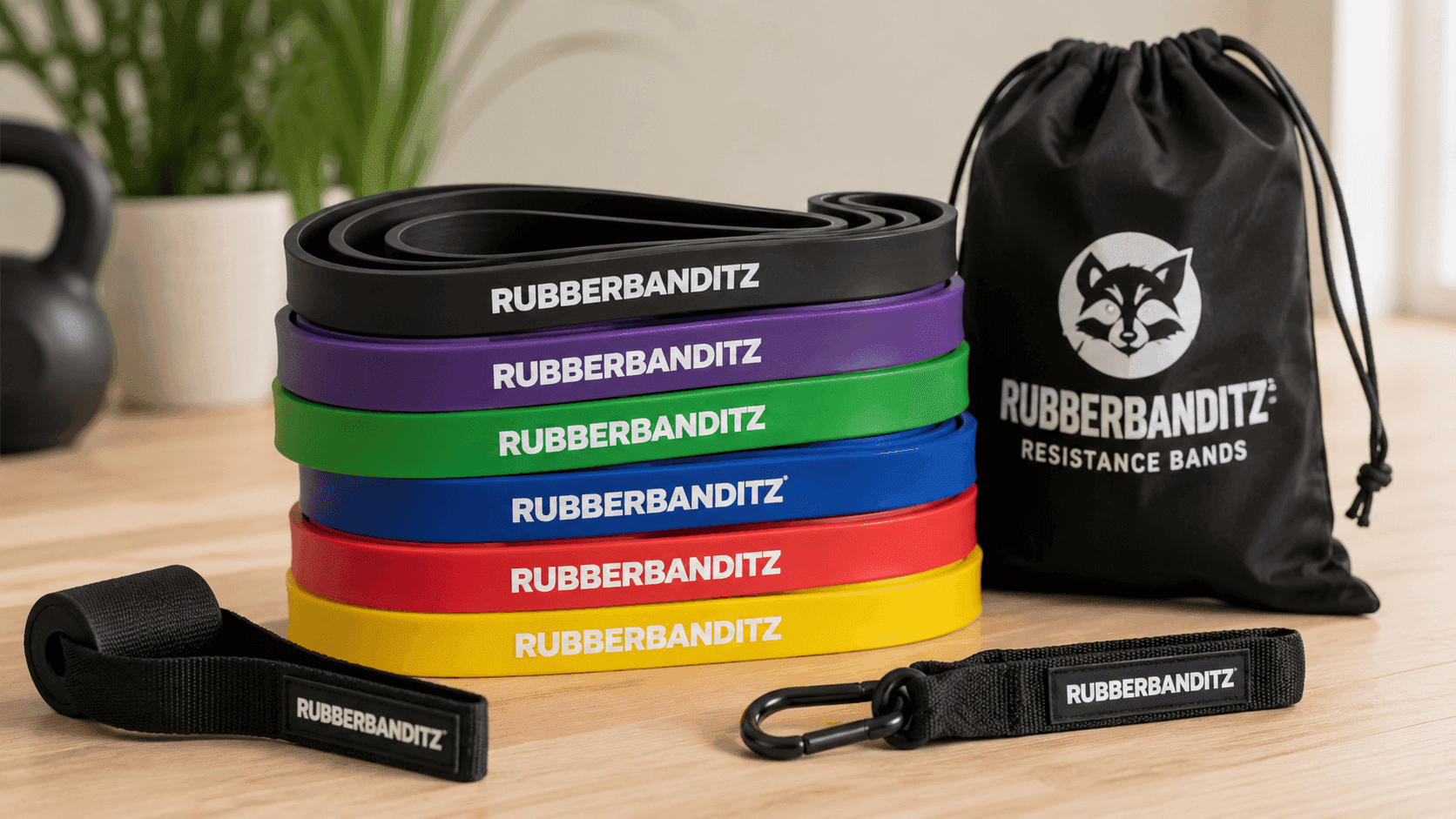
Recovering from an injury, surgery, or physical condition often requires patience, consistency, and the right rehabilitation tools. Among the many fitness and therapy products available today, Rubberbanditz Bands have become a trusted option for individuals looking to improve strength, flexibility, and mobility during physical therapy recovery.
Designed with durability and versatility in mind, Rubberbanditz Resistance Bands provide a practical solution for rehabilitation exercises at home, in physical therapy clinics, and even while traveling. Their ability to accommodate different fitness levels and recovery stages makes them a valuable addition to any rehabilitation program.
In this guide, we'll explore how Rubberbanditz Bands support physical therapy recovery, their key benefits, and why they continue to gain popularity among therapists, athletes, and everyday users.
What Are Rubberbanditz Bands?
Rubberbanditz Bands are premium resistance bands designed for strength training, rehabilitation, stretching, mobility work, and athletic conditioning. Unlike traditional weights, resistance bands create continuous tension throughout an exercise, helping users develop strength without placing excessive stress on joints.
Available in multiple resistance levels, Rubberbanditz Bands allow users to gradually increase intensity as they progress through their recovery process. This progressive resistance approach is particularly beneficial for physical therapy because it supports safe muscle development while reducing the risk of re-injury.
These bands can be used for a wide range of exercises targeting various muscle groups, making them suitable for both upper-body and lower-body rehabilitation programs.
Why Resistance Bands Are Effective for Physical Therapy Recovery
Physical therapists frequently recommend resistance bands because they provide controlled resistance while allowing for natural movement patterns. This combination helps patients rebuild strength and regain function after injury.
Some of the primary benefits of resistance bands during rehabilitation include:
Low-Impact Exercise
One of the biggest advantages of Rubberbanditz Bands is their ability to provide resistance without heavy impact. This makes them ideal for individuals recovering from:
- Knee injuries
- Shoulder injuries
- Hip surgeries
- Back pain
- Joint replacements
- Muscle strains
Because the resistance can be adjusted, patients can perform exercises comfortably while minimizing unnecessary stress on healing tissues.
Improved Muscle Strength
During recovery, muscles often weaken due to inactivity or injury. Resistance bands help activate and strengthen muscles gradually, supporting the restoration of normal movement and function.
Rubberbanditz Bands allow users to target specific muscle groups while maintaining proper control throughout each exercise. This controlled strengthening process is essential for long-term recovery success.
Enhanced Mobility and Flexibility
Many rehabilitation programs focus on restoring range of motion. Resistance bands can assist with stretching exercises that improve flexibility and mobility.
Rubberbanditz Bands are particularly useful for:
- Shoulder mobility drills
- Hamstring stretches
- Hip mobility exercises
- Ankle rehabilitation movements
- Post-surgery flexibility training
Improved flexibility often contributes to better movement quality and reduced discomfort during daily activities.
Better Balance and Stability
Recovery often involves retraining stabilizing muscles that support joints and improve balance.
Resistance band exercises can activate smaller supporting muscles that may not receive adequate attention during traditional strength training. This helps improve overall stability and reduces the likelihood of future injuries.
Key Features of Rubberbanditz Bands
Several features distinguish Rubberbanditz Bands from standard resistance bands on the market.
High-Quality Construction
Rubberbanditz Bands are made from premium natural latex designed to withstand repeated stretching and daily use. Their durable construction helps prevent premature wear and ensures reliable performance throughout the recovery process.
Multiple Resistance Levels
Recovery is rarely a one-size-fits-all process. Rubberbanditz offers bands in various resistance levels, allowing users to select the appropriate tension based on their needs.
Beginners and patients recovering from surgery can start with lighter resistance, while advanced users can progress to heavier bands as their strength improves.
Portable and Convenient
One of the greatest advantages of resistance bands is portability.
Rubberbanditz Bands are lightweight and compact, making them easy to use:
- At home
- In physical therapy clinics
- At the gym
- While traveling
- Outdoors
This convenience encourages consistency, which plays a major role in successful rehabilitation.
Versatile Exercise Options
A single set of Rubberbanditz Bands can support hundreds of exercises.
Users can perform:
- Rows
- Chest presses
- Shoulder rehabilitation exercises
- Squats
- Leg extensions
- Glute activation drills
- Core strengthening movements
This versatility makes them a cost-effective investment for long-term fitness and recovery.
Common Physical Therapy Exercises Using Rubberbanditz Bands
Physical therapists often incorporate resistance band exercises into rehabilitation programs because they can be modified to match individual needs.
Shoulder External Rotations
This exercise strengthens the rotator cuff muscles and supports shoulder stability.
Benefits include:
- Improved shoulder function
- Better joint stability
- Reduced injury risk
Seated Rows
Seated rows target the upper back and improve posture.
Benefits include:
- Strengthening postural muscles
- Supporting shoulder recovery
- Improving upper-body strength
Terminal Knee Extensions
Frequently used after knee surgery or injury, terminal knee extensions help strengthen the quadriceps while promoting knee stability.
Benefits include:
- Better knee control
- Increased quadriceps activation
- Improved walking mechanics
Clamshells
Clamshell exercises strengthen the gluteal muscles and support hip stability.
Benefits include:
- Improved pelvic alignment
- Enhanced lower-body control
- Reduced stress on knees and hips
Ankle Resistance Exercises
Resistance bands can help restore ankle strength and mobility following sprains or other lower-leg injuries.
Benefits include:
- Increased ankle stability
- Improved balance
- Better functional movement
Who Can Benefit from Rubberbanditz Bands?
Rubberbanditz Bands are suitable for a wide range of users, including:
Post-Surgery Patients
Individuals recovering from orthopedic surgeries often require gradual strengthening exercises. Resistance bands provide a safe and controlled way to rebuild muscle strength.
Athletes Recovering from Injury
Athletes frequently use resistance bands during rehabilitation because they allow targeted muscle activation without excessive loading.
Seniors
Older adults can benefit from low-impact strengthening exercises that improve balance, mobility, and overall physical function.
Fitness Enthusiasts
Even after completing physical therapy, many users continue incorporating Rubberbanditz Bands into their workouts to maintain strength and flexibility.
Tips for Safe Rehabilitation with Resistance Bands
To maximize results and minimize risks, keep the following recommendations in mind:
Follow Professional Guidance
Always consult a healthcare professional or physical therapist before beginning a rehabilitation program.
Start with Appropriate Resistance
Avoid choosing resistance levels that are too challenging. Gradual progression supports safer recovery.
Focus on Proper Form
Quality movement is often more important than intensity during rehabilitation.
Stay Consistent
Regular exercise sessions typically produce better outcomes than occasional high-intensity workouts.
Inspect Bands Regularly
Check bands for signs of wear or damage to maintain safety during use.
Building Strength One Step at a Time
Rubberbanditz Bands provide an effective, affordable, and versatile solution for physical therapy recovery. Their ability to support strength development, mobility improvement, flexibility training, and injury rehabilitation makes them a valuable tool for users at every stage of recovery.
Whether you're recovering from surgery, managing an injury, or working to restore functional movement, Rubberbanditz Resistance Bands can help you perform rehabilitation exercises safely and effectively. Combined with professional guidance and consistent effort, these resistance bands can play an important role in helping you regain strength, confidence, and mobility.